COMPARISON
Cut down R&D tax credit processing from weeks to just hours. Let AI Agents handle document extraction, QRE calculations, and IRS form generation, so you can focus on higher-level decisions.
Trusted by the best










Processing R&D tax credits typically requires 1 to 40 hours per client. CPAs must extract W-2 data from various formats, and much of this work is repetitive and straightforward.

As companies grow, training new CPAs can take months, but clients expect faster results. Keeping up is challenging, and manual reviews are unfeasible.

Some clients send clean Excel files, while others send scanned PDFs from various sources. W-2s vary in format, and time-tracking data is scattered across systems, making a custom approach necessary and making automation seem difficult.

Every calculation must be documented with case law, regulations, and client details to pass IRS review. However, manual records are hard to keep consistent.

Intelligent OCR Pipeline processes W2s (scanned or digital), Excel sheets, call transcripts, and time exports in minutes. Low-confidence items are flagged for review.

Structured data from documents becomes a queryable database tracking employees by name, title, wages, and state. It automatically detects hires, promotions, role changes, and flags wage mismatches and suspicious allocations before CPAs review.

Bulk aggregations use natural language, and complex queries go through an RAG framework. Pre-approved formulas avoid any unsupervised AI math. Calculations match trusted formulas. New formulas are first tested and approved before use.

Draft technical memorandums with proper citations. Each answer cites source documents with inline references and maintains an IRS-ready audit trail.

AI agents automatically fill out credit forms and generate a complete RTC workbook in your current Excel template format, eliminating the need for reformatting or manual data transfer.

CPA’s are always in control. AI summaries show context and reasoning for escalations. Free-form chat popup to handle edge cases. All decisions are logged for compliance.
DISCOVERY
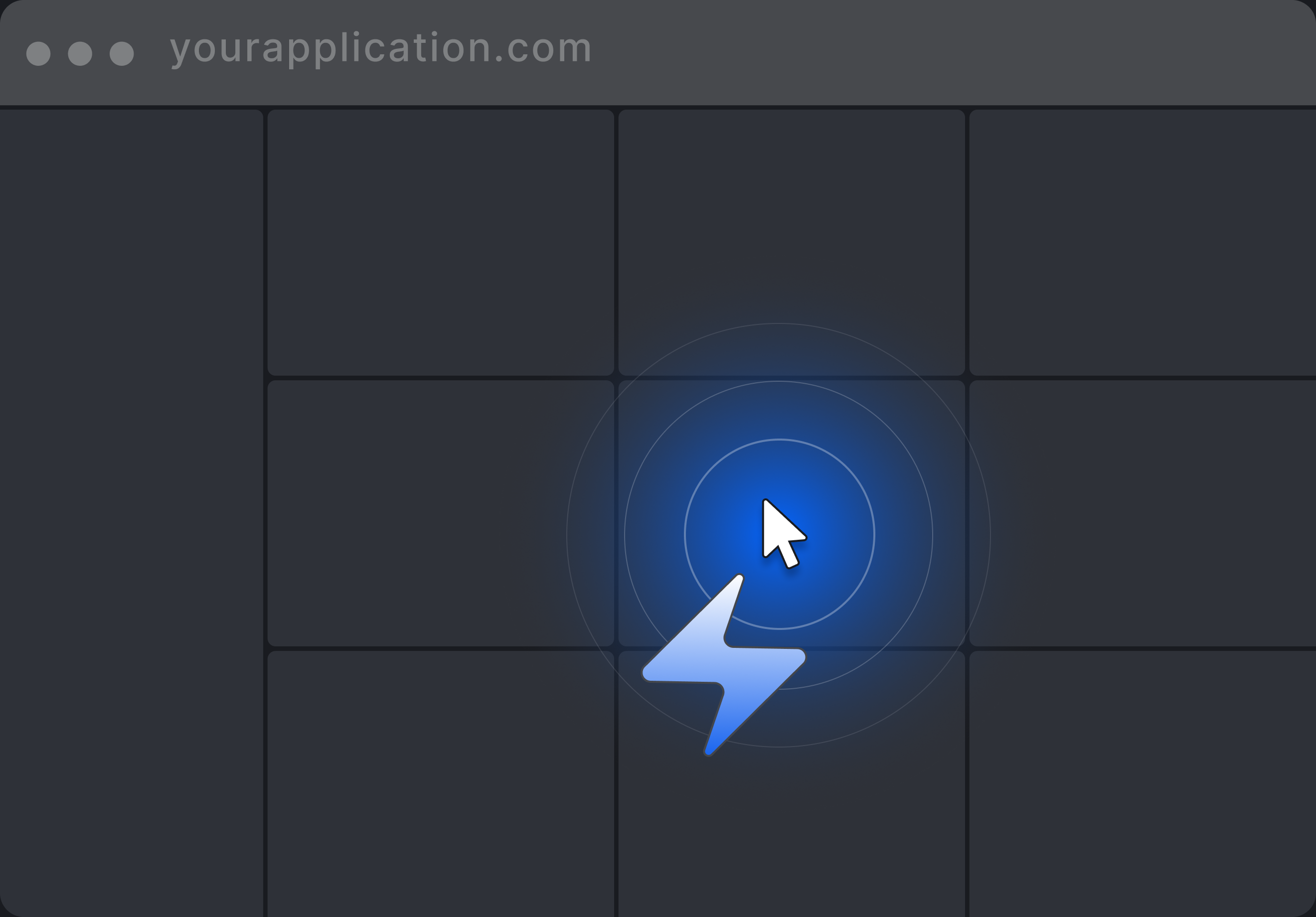
Discovers API behavior from live applications through browser-based exploration, producing a usable catalog of actions.
ACTIONS
Transforms discovered behaviors into validated, reusable actions with inputs, outputs, and guardrails.

EXECUTION
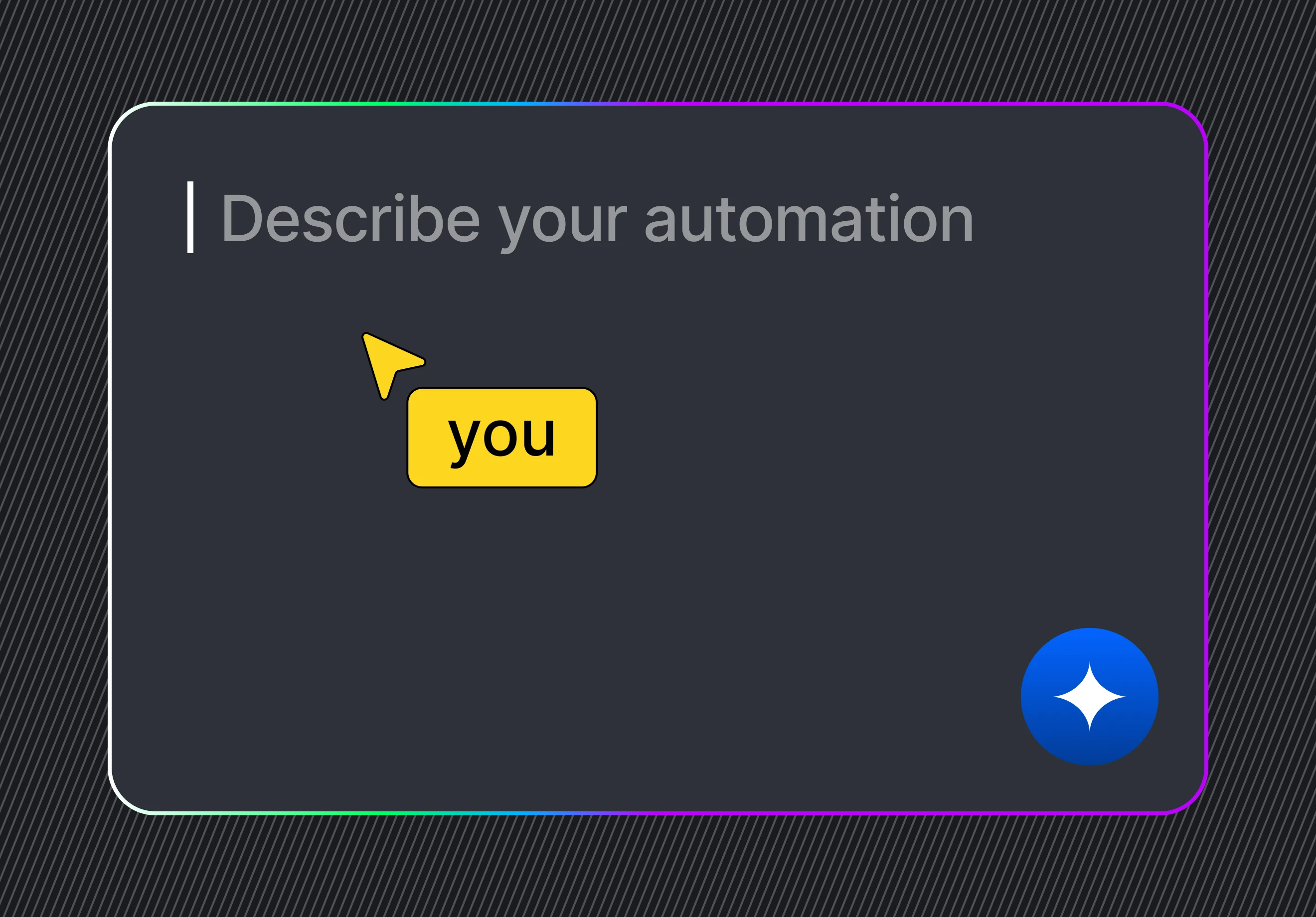
Builds goal-driven agents using natural language or configuration, then deploys with governance and observability.



Focus chart shows emphasis, not quantified metrics.
.webp)
You're prioritizing structured UI automation at scale and:

Repetitive, deterministic UI workflows dominate operations.
Primary need is desktop or legacy task automation.
Automation teams are structured around RPA programs.

Best aligned with teams seeking agentic automation beyond UI scripting and:
.svg)
Want outcome driven execution with IT governance, oversight, verification and recovery.
Looking to have agents built into your product, or made available through MCP and other platforms.
Require deployment flexibility, compliance-grade governance, and a commercial model aligned to outcomes.