
Continuous Close Accounting: What It Removes and What It Cannot

Deepak Anchala
Co-Founder and CEO, Adopt AI18 November 2026
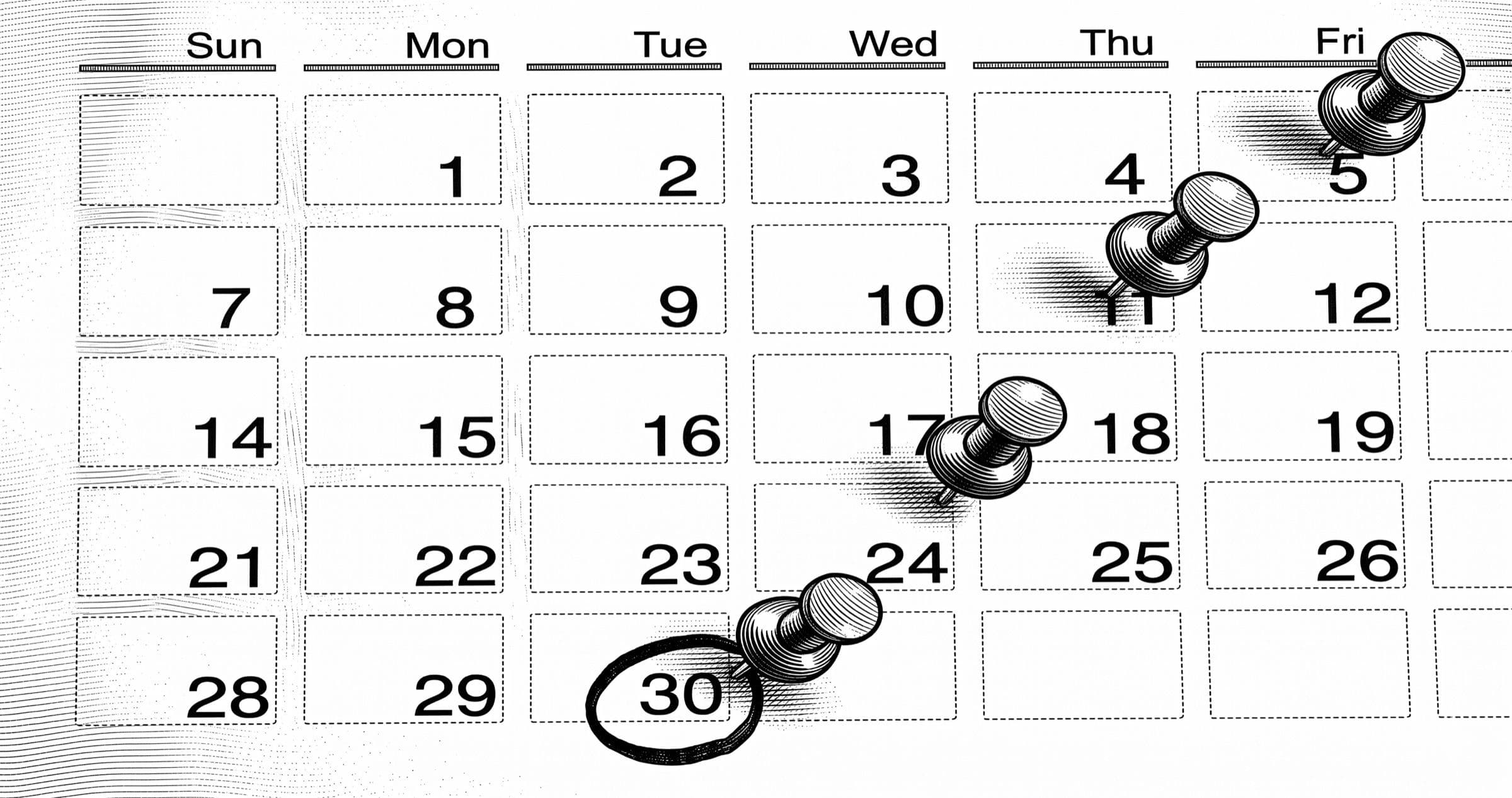
Every few quarters a vendor tells a controller that the close is "continuous now," and the controller opens the books on day one of the next month to find the same pile of unreconciled accounts. The pitch and the calendar disagree. This piece sorts out which parts of continuous close accounting hold up and which belong in a slide deck.
It is written for a controller or CFO who has been asked whether a continuous close is a realistic goal. The short answer: part of it is, and the part that is realistic changes your close more than the full version would.
What a continuous close is
Continuous close accounting moves preparation work out of the burst after month end and into the month itself. Bank reconciliations run weekly or daily. Invoices get matched as they arrive. Intercompany balances get checked before the period closes. When day one comes, a large share of the work is already done and waiting for review.
For a fuller definition, see our glossary entry on continuous close. If you want the baseline process first, what is the month-end close covers it.
What it removes from the close
Continuous close accounting removes the work that does not depend on the period being over.
- Reconciliation backlogs. A bank line from the 3rd does not need to wait for the 31st to be matched.
- Late-found errors. A duplicate invoice caught on the 9th costs minutes. The same invoice caught on day four of close costs a morning.
- The data-gathering step. Pulling statements, exports, and support documents can run on a schedule, so nobody spends day one waiting for files.
This is where month-end close problems like missing support and late reconciliations get fixed at the root, because the work stops stacking up.
What it cannot remove
Four things stay period-end acts, however good the tooling is.
- Cutoff. The books need a defined end, and someone decides what falls on which side of it.
- Estimates and accruals. Reserves, accrued expenses, and revenue timing depend on facts that arrive after the last day of the month.
- Review and sign-off. A controller approves the numbers. That judgment cannot happen before the numbers exist.
- Adjusting entries that follow from the above. They post after the estimates settle.
A vendor who says the close happens "in real time" is describing the first list while implying the second list vanished. When you hear that, ask which of these four the product handles. The honest answer is that it prepares them earlier and leaves the decision with your team.
A realistic target
Moving to a continuous close does not require every account on a daily rhythm. Most teams get the benefit from a smaller change:
- Put the highest-volume reconciliations on a weekly schedule.
- Review exceptions as they appear, not in one session on day three.
- Keep a close calendar that marks which tasks run during the month and which wait for period end.
If your team already uses a soft close and hard close split, a continuous close fits inside it. Preparation spreads across the month, the soft close lands early, and the hard close at quarter end still takes the extra care it needs.
How agents fit
Continuous work only helps if someone has the hours to do it. A staff accountant who spends the month on invoices and coding has no spare weeks for extra reconciliation passes. That is why the idea stalls on manual teams.
Agents change the arithmetic. They pull statements on a schedule, propose matches, attach the source document for every line, and flag what does not fit. Adopt agents run in the background, so by the first of the month the reconciliations are done and waiting for review. Nothing posts to your books without a named reviewer's sign-off, and every number traces back to the transaction behind it. The audit trail shows who approved what and when.
Your team moves from preparing the work to reviewing it. Our guide to how to close the books faster goes through the steps.
Five questions to ask a vendor
Use these in your next demo.
- Which close tasks run during the month, and which wait for period end?
- Does anything post to the ledger without human approval?
- Can a reviewer see the source document and the proposed match on one screen?
- What happens to an item the system cannot match?
- Can you show a customer's calendar of when work ran, not only a close-time number?
A vendor who answers all five without changing the subject has built a real workflow. One who answers with a headline number has not.
How to test it in your own close
Pick one workflow, such as bank reconciliation, and run it on a weekly schedule for two months while your current process continues. Count exceptions: how many items needed a person and why. Compare the state of that account on day one to the state of the others. That comparison tells you more than any benchmark, and our 90-day pilot plan gives you go and no-go criteria.
Where to start
A continuous close is a goal you reach one account at a time. Choose the reconciliation that eats the most hours on days one through three and move it into the month. To see agents prepare a close you already finished, with nothing posting to your books, book a pilot.
FAQs

Related Articles

Soft Close vs Hard Close: When Each Makes Sense
New Controller First 90 Days: A Plan for an AI-Forward Company

See it running on your workflows
Automate your accounting workflows